Sessions longer than a few minutes
Keynotes, panels and long presentations are easier to follow without interruptions.

Every attendee follows the speaker in their own language, in real time, with no pauses. Professional simultaneous interpreters for in-person, remote and hybrid events across the United States.
A medical congress and a board meeting call for different vocabulary. We match interpreters to the topic before we confirm the team.
Simultaneous interpreting is exhausting work, so we plan every language with a team of two interpreters who alternate.
We verify certifications and qualifications before assigning each interpreter.
A coordinator handles the details with you, from the first brief to the event day.
Know your languages and your dates? Send the brief and we will build the interpreting team.
Request a QuoteThe interpreter listens and speaks at the same time, a few seconds behind the speaker. Attendees hear the interpretation through headsets, so the event runs at its normal pace.
A consecutive interpreter works the other way around: the speaker pauses and the interpreter relays each part. That suits small meetings and interviews, but it roughly doubles the length of every session.
Keynotes, panels and long presentations are easier to follow without interruptions.
Each attendee picks a language channel and listens in their own language.
The speaker keeps their rhythm and the room keeps its energy.
Every language gets its own channel and its own team of interpreters.
The interpreter works from a booth or a quiet station, or from a remote location, and attendees listen through headsets or the language channel of the meeting platform.
Speak at a steady pace. Very fast delivery and read-aloud scripts are hard to interpret accurately. Sharing the text beforehand helps.
Share your materials early. Agenda, slides and glossary let the team prepare the terminology before the event.
Test the audio. The interpreters work from the feed of every microphone, so test each one before the doors open.
Still weighing options? Tell us about your event and we will recommend the right setup.
Request a QuoteTMVO provides the interpreters. Your venue or AV provider supplies the equipment, and we tell them what the interpreting team needs.
Settling this early avoids the problems that show up on event day: weak audio, no booth, receivers that do not reach the back of the room.
A sound-isolating booth, or a quiet area where interpreters can hear the speaker clearly without disturbing the room.
Attendees listen on headsets tuned to the language channel they need.
Each speaker's microphone feeds the interpreters directly, without echo or background noise.
Someone from your AV team monitors the channels and handles any problem during the event.
From a three-day congress to a one-hour company town hall, the format works whenever a room or a screen has more than one language in it.
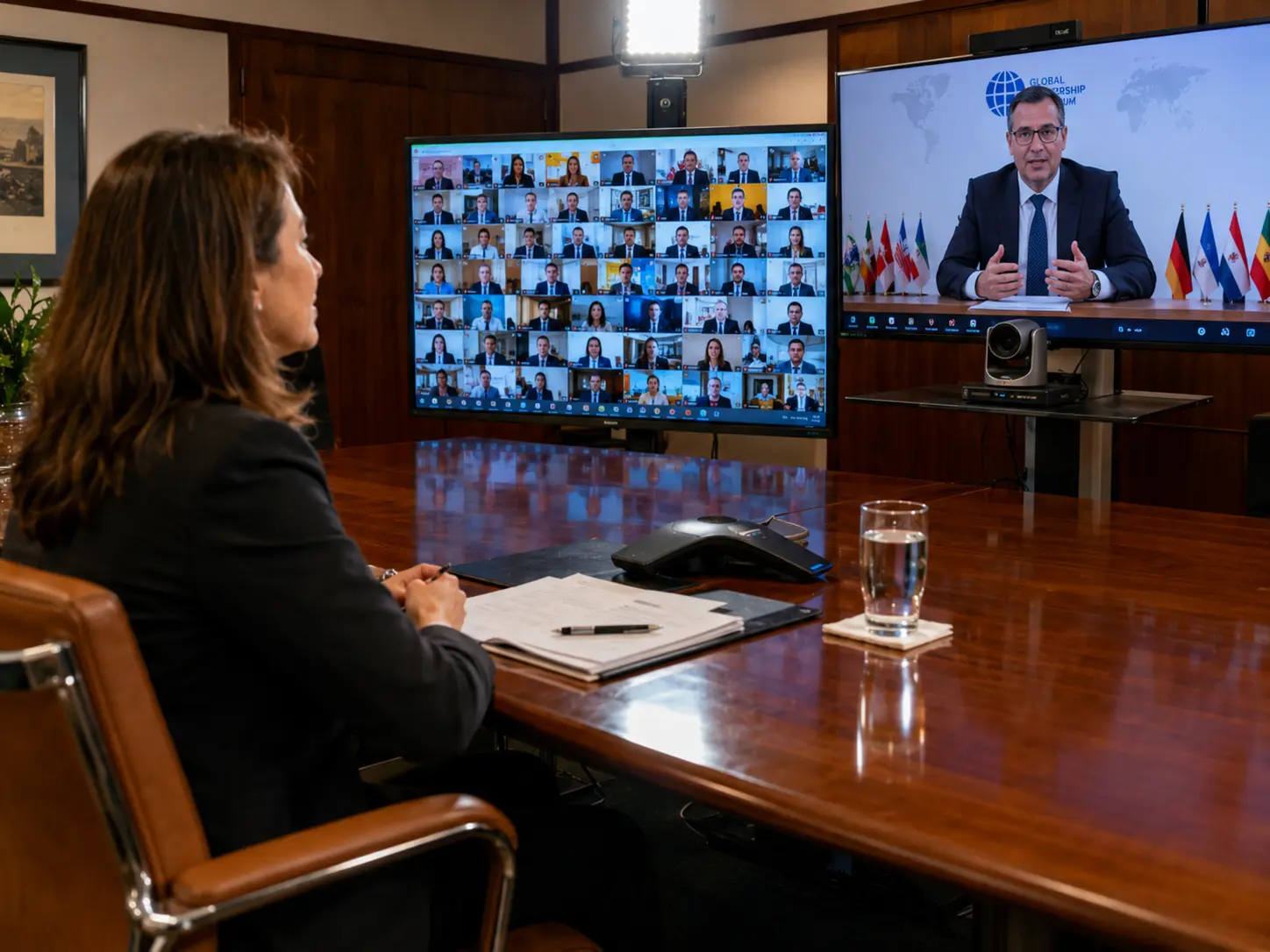
Interpreters join by video and deliver the interpretation through the language channel of your meeting platform, such as Zoom, so each remote attendee picks the language they listen in. For hybrid events, tell us how the on-site and online audiences will listen and we plan the setup around it.
Useful detail: platform, number of attendees per language, session length and whether the event is recorded.
ASL interpreters can work alongside the spoken-language team, on site or by video. Mention it in your request and we plan it together.
The right team knows your language pair and your topic.
Send the agenda, the speaker list, the slides and any glossary you use. The interpreters study them before the event, so the terminology holds up on stage.
Clinical trialProtocolDosageOutcome
ArbitrationTestimonyContractHearing
RevenueAuditForecastCompliance
RoadmapLatencyIntegrationDeployment
Planning a multilingual event? Tell us the date and the languages.
Request a QuoteEvery event is quoted individually, based on what the interpreting team has to cover.
One language pair, several languages, or interpreting in both directions.
Hours per day and number of days.
Technical or specialized content calls for more preparation.
On site, remote or hybrid, and any travel the team needs.
A team of two per language, and more for long or multi-session events.
Five steps, and most of the work happens before the doors open.
Date, venue or platform, languages, number of attendees and program.
We match interpreters to your languages, topic and schedule, and confirm the team size.
Agenda, slides, speaker list and glossary, as soon as you have them.
We tell your AV provider or platform administrator what the interpreters need.
The interpreters deliver the interpretation while the speakers present at their normal pace.
These are the practical details that usually shape an interpreting plan for an event.
Simultaneous interpreting means the interpreter renders the speech into another language while the speaker is still talking, a few seconds behind. Attendees listen through headsets or the language channel of a meeting platform, so the speaker never has to stop. It is the standard format for conferences, summits and multilingual meetings.
Two per language for most events. The work demands constant concentration, so interpreters alternate, typically every 20 to 30 minutes. Long or multi-session events may need more, and we confirm the team size when we quote.
In simultaneous interpreting the interpreter speaks while the speaker continues. In consecutive interpreting the speaker pauses and the interpreter relays each part. Simultaneous suits conferences and long sessions with many listeners. Consecutive suits small meetings, interviews and one-on-one conversations, and takes about twice as long.
On site you need a sound-isolating booth or a quiet area for the interpreters, a transmitter, receivers and headsets for attendees, a clean audio feed from the speakers and a technician. For remote events you need a meeting platform with language channels, such as Zoom. TMVO provides the interpreters. Your venue or AV provider supplies the equipment, and we share what the interpreting team needs.
Yes. Interpreters join by video and deliver the interpretation through your platform's language channel. For hybrid events, tell us how the on-site and online audiences will listen so we can plan the setup.
As soon as the date and the languages are set. Early notice gives us more time to match interpreters to your languages and subject, and to coordinate the technical setup with your team.
Every event is quoted individually. The price depends on the languages, the length of the event, the subject matter, the format and the number of interpreters. Send us the brief and we send you a proposal.
Spanish, American Sign Language and other languages. Tell us the language pairs you need and we confirm availability.
Yes. ASL is part of our services, on site or by video. Mention it in the request so we can plan it together with the spoken-language team. You can read more on our ASL interpreting page.
The agenda, the speaker list, the slides and any glossary or terminology your organization uses. The more the interpreters can read in advance, the better the interpretation holds up with technical content.
Share the date, the languages, the format and the number of attendees.
Send the date, the languages and the type of event. We review the details and come back with a proposal for the interpreting team.
By submitting the form, you agree to the Terms and Conditions.